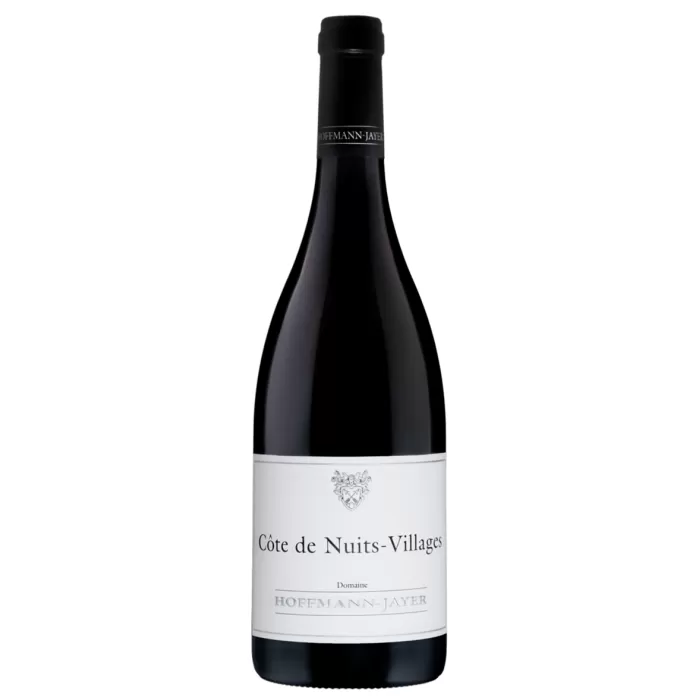
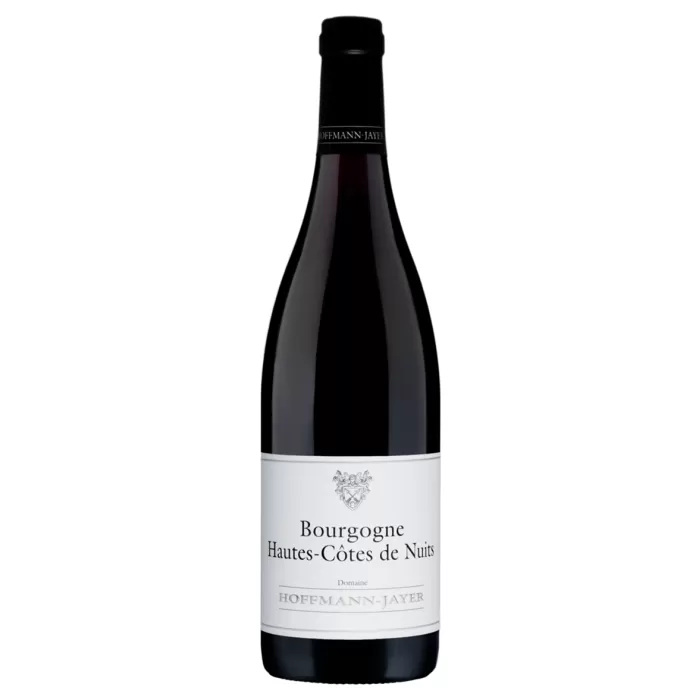
Hoffmann-Jayer Bourgogne Rouge Hautes-Cotes De Nuits
75cl
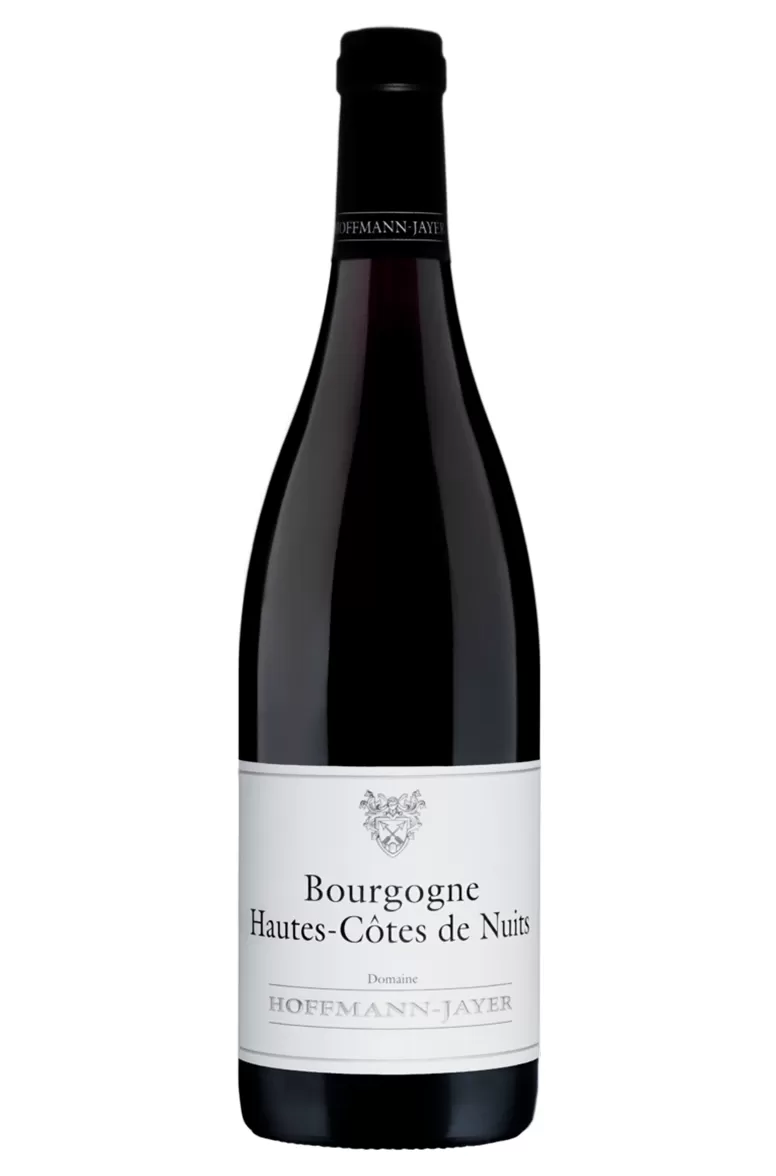
Pinot Noir grapes are grown in the commune of Magny-lès-Villers, plots "Les Mailles", "La Flie", and "Sous le Mont" join together with grapes from the commune of Villers-la-Faye, plot "Les Chasserots", to produce the Bourgogne Hautes-Côtes de Nuits. These grapes are hand-picked, sorted, destemmed and put into vats. Fermentation lasts between 20 and 25 days. Prior to racking, pressing and settling, the wine undergoes malolactic fermentation before being aged for between 14 and 18 months. The wine is then racked before being bottled, unfiltered.
See product details
Hoffmann-Jayer Bourgogne Rouge Hautes-Cotes De Nuits
€43.00
Ex Tax: €34.96
All online sales are securely processed and can be made by either Visa or Mastercard. You can choose to pay in Euro, US Dollars or British Pounds.

Product Details
Tasting Notes from Celtic Whiskey Shop and Wines on the Green
Nose
Ripe forest fruits with a hint of chalkiness.
Palate
Full rounded and generous with a good weight and a smooth ripe structure. The fresh fruits aromas carry through to the finish.
Fact Sheet
Fluid
75cl
Grape Variety
Pinot Noir
Country
France
Region/AOC
Burgundy
Vintage
2017
Producer
Domaine Hoffmann-Jayer
Food Matching
Food Matching
Ideal with grilled or sautéed red meats, as well as duck. When young, also delightful with shellfish and red-fleshed fish (mullet, tuna Atlantic Bonito).
Serving Suggestion
Serving Suggestion
15-16°C
FAQs
No single country produces objectively the best red wine: the answer depends entirely on the style and grape variety preferred. France (Bordeaux, Burgundy, Rhône) is the reference point for Cabernet Sauvignon, Pinot Noir, and Syrah at the highest level. Italy (Barolo, Brunello, Amarone) excels with Nebbiolo, Sangiovese, and Corvina. Spain (Rioja, Ribera del Duero) delivers world class Tempranillo. Australia, California, and Chile produce premium expressions that consistently compete at the highest international quality levels.
Italy, France, and Spain have historically competed for the position of world's largest wine producer by volume. Italy and France regularly trade the top position, each producing approximately 45 to 50 million hectolitres annually. Spain produces slightly less. Globally, these three countries account for approximately 45 to 50% of total world wine production. China and the United States have grown significantly as producers in recent decades and are now among the top five globally.
Italy and France consistently alternate as the world's top two wine producing countries, each producing approximately 45 to 50 million hectolitres per year. Spain is typically third. The global top five also includes the United States and China. Together these five nations account for the majority of global wine production by volume. Per capita consumption data and export value league tables present different rankings: France dominates export value even when Italy leads in volume.
Georgia in the South Caucasus region is widely recognised as the oldest continuously producing wine country, with archaeological evidence of winemaking dating to approximately 6000 BCE. The indigenous Rkatsiteli and Saperavi varieties are among the oldest cultivated grape varieties still in commercial production. Georgia also maintains the traditional Qvevri method, fermenting wine in large clay amphoras buried underground, which UNESCO recognised as an Intangible Cultural Heritage in 2013.
This is a categorically unanswerable question as wine quality is style and variety specific. France produces the reference benchmarks for Pinot Noir (Burgundy), Cabernet Sauvignon (Bordeaux), and Syrah (Northern Rhône). Italy excels with Nebbiolo (Barolo), Sangiovese (Brunello), and indigenous varieties. Spain dominates Tempranillo. Germany leads in Riesling. New World countries including Australia, New Zealand, California, and South Africa produce world class expressions across multiple varieties. The best wine is the one that most precisely suits your palate and occasion.
Customer Reviews
Customer Reviews
-700x700h.webp "818 Tequila Eight Reserve")